Beginner Nail Care: Your Ultimate Guide To Healthy, Beautiful Nails At Home
Ever wonder why your nails never seem to grow strong and healthy, no matter what you try? You’re not alone. Millions of people struggle with brittle, peeling, or weak nails, often because they’re missing the fundamental building blocks of a solid beginner nail care routine. The secret isn’t found in expensive salon visits or miracle products, but in understanding the basics and establishing consistent, gentle habits. This guide will transform your nail care from a frustrating chore into a simple, rewarding ritual, giving you the strong, beautiful nails you’ve always wanted.
Nail health is a direct reflection of your overall well-being, and neglecting it can lead to more than just cosmetic issues. Brittle nails can be painful, and poor cuticle health can invite infections. By mastering the essentials, you take control of your self-care, boost your confidence, and prevent common problems before they start. Let’s embark on this journey from the ground up.
The Foundation: Understanding Your Nail Anatomy
Before you can care for something, you must understand it. Your nails are complex structures made primarily of keratin, a tough, fibrous protein. Knowing the parts of your nail is the first step in beginner nail care, as it helps you target your efforts correctly and avoid damage.
The Nail Plate: More Than Just Keratin
The visible part of your nail is the nail plate. It’s a hardened layer of dead, compacted keratin cells. Think of it as a protective shield for your fingertip. Its health depends on the layers beneath it. A healthy nail plate is smooth, uniform in thickness, and free of pits or grooves. Damage to the plate, like excessive filing or using harsh chemicals, compromises this shield, leading to splitting and breakage. The key is to treat it gently—it’s tough, but not indestructible.
The Bed and Matrix: The Growth Center
Directly under the nail plate lies the nail bed, a rich bed of blood vessels and nerves that gives your nails their pinkish color. The most critical part, however, is hidden: the nail matrix. This is the “factory” located under your cuticle at the base of the nail. It produces the keratin cells that become the nail plate. Damage to the matrix, such as from aggressive cuticle removal or injury, can cause permanent nail deformities. This is why cuticle care is about protection, not removal.
The Cuticle and Nail Folds: Your Natural Barrier
The cuticle is the thin layer of dead skin that overlaps the nail plate at the base. The eponychium is the living tissue just behind it. Together with the proximal nail folds (the skin on the sides), they form a sealed, protective barrier against bacteria, fungi, and debris. Pushing or cutting this seal is a cardinal sin in beginner nail care. It creates an open wound, inviting infection. Your goal is to moisturize and soften this area, not destroy it.
Essential Tools for a Beginner’s Nail Care Kit
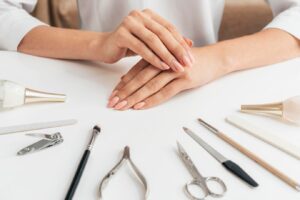
You don’t need a drawer full of gadgets. A minimalist, high-quality toolkit is more effective and less damaging. Investing in the right tools is a cornerstone of proper beginner nail care.
The Non-Negotiables: Files, Clippers, and Buffers
- Nail File: Opt for a fine-grit (180-240) crystal or glass file. These are gentler than emery boards and create a smooth edge without causing micro-tears. Avoid coarse metal files.
- Nail Clipper: A sharp, high-quality clipper makes a clean cut. Dull clippers crush and snag the nail, leading to splits. For toenails, use a larger, sturdier clipper designed for thicker nails.
- Nail Buffer: A 4-way buffer block has different grits for smoothing, shining, and finishing. Use the finest grit for a gentle shine. Do not use the buffing side daily; once a week is plenty to avoid thinning the plate.
Supporting Cast: Pushers, Brushes, and Moisturizers
- Cuticle Pusher: Choose a wooden or silicone pusher with a flat, rounded tip. Metal pushers are too sharp and risky for beginners. Use it only after a shower or cuticle softener to gently push back softened cuticles.
- Nail Brush: A soft-bristled brush for cleaning under the nail tips and removing debris after filing.
- Cuticle Oil & Hand Cream: These are your most important products. Look for oils with jojoba, almond, or vitamin E. A rich, fragrance-free hand cream with shea butter or ceramides is essential for overall hydration.
The Daily & Weekly Routine: Building Your Beginner Nail Care Habit
Consistency is everything. A simple routine performed regularly is far better than an intense weekly overhaul. This beginner nail care routine is designed for simplicity and effectiveness.
Step 1: Clean, Soak, and Soften (Weekly Deep Care)
Once a week, dedicate 10 minutes to a soak. Fill a bowl with warm water and add a tablespoon of olive oil or almond oil. Soak your hands and feet for 5-10 minutes. This softens the cuticles and hydrates the nail plate, making the next steps safer and more effective. Never skip this if your cuticles are dry or overgrown.
Step 2: Gentle Filing – The Right Technique
Always file in one direction, from the outer edge toward the center. Use long, light strokes. The “sawing” back-and-forth motion creates heat and stress, causing layers to separate and peel. For shape, a slight oval or squoval is strongest for most people. Avoid sharp points or extreme shapes if you have weak nails.
Step 3: Cuticle Care – Push, Don’t Cut
After soaking, use your wooden pusher to gently nudge the softened cuticles back. You should feel no resistance. If it doesn’t move easily, soak longer. Never use a cuticle nipper or cutter as a beginner. The goal is to reveal the lunula (the half-moon at the base) slightly, not to remove the cuticle entirely. Wipe away any debris with your nail brush.
Step 4: Moisturize Religiously
This is the most important step and should be done multiple times a day, especially after washing hands. Massage cuticle oil into the base and sides of each nail. Then, apply a generous amount of hand cream, rubbing it in until absorbed. Think of it as sealing in hydration. For extremely dry nails, apply oil at night and wear cotton gloves.
Common Beginner Mistakes That Ruin Your Nails (And How to Fix Them)
Many people damage their nails while trying to help them. Recognizing these pitfalls is key to successful beginner nail care.
Over-Filing and Using the Wrong Grit
Using a coarse file or filing aggressively thins the nail plate, making it flexible and prone to bending and breaking. Solution: Stick to your fine-grit glass file and use light pressure. File only when necessary to shape or smooth a rough edge.
Ignoring the “Wet Nail” Myth
A common myth is that filing wet nails is better. In reality, wet nails are softer and more prone to tearing and peeling when filed. Solution: Always file on completely dry nails after your soak has been patted dry.
Using Harsh Nail Polish Removers
Acetone-based removers are extremely drying and can strip nails of their natural oils, leading to brittleness. Solution: Use acetone-free removers labeled “nourishing” or “moisturizing.” Even better, opt for “peel-off” base coats or use remover only when changing color, not for cleaning the nail surface before a treatment.
Wearing Tight Shoes and Biting
For toenails, ill-fitting shoes cause ingrowns and trauma. For fingernails, biting or picking is the ultimate destroyer, introducing bacteria and damaging the matrix. Solution: Wear properly fitted shoes. For biting, use a bitter-tasting polish and keep your hands busy with a fidget toy or moisturizing.
DIY Nail Treatments You Can Make at Home
You don’t need expensive salon masks. Simple kitchen ingredients can create powerful treatments for beginner nail care.
The Hydration Bomb: Olive Oil & Honey Mask
Mix 1 tablespoon of warm olive oil with 1 teaspoon of raw honey. Apply generously to nails and cuticles, massage in, and leave on for 20-30 minutes (or overnight with cotton gloves). Olive oil penetrates to strengthen, while honey is a natural humectant that draws in moisture.
Strengthening Soak: Apple Cider Vinegar & Oil
Combine ¼ cup of apple cider vinegar with ¼ cup of warm water and a tablespoon of coconut or jojoba oil. Soak for 10 minutes. The vinegar’s acetic acid helps to balance pH and remove residue, while the oil deeply conditions. Rinse and moisturize thoroughly after.
The Weekly Exfoliant: Sugar Scrub for Hands
Mix 2 tablespoons of sugar with 1 tablespoon of coconut oil and a few drops of lemon essential oil (optional). Gently massage into hands and around nails to slough off dead skin. Rinse and follow with oil and cream. This improves circulation and prevents hangnails.
When to Seek Professional Help: Signs It’s More Than Beginner Nail Care
While most nail issues can be managed at home, some are signals from your body that need expert attention. Know these red flags.
Signs of Infection or Underlying Conditions
- Persistent yellowing, thickening, or crumbling of nails (could be fungal infection).
- Dark streaks or discoloration under the nail plate.
- Sudden changes in nail shape, texture, or color across all nails.
- Pain, swelling, or pus around the nail (sign of acute infection).
- Spoon-shaped nails (concave) or clubbing (enlarged fingertips).
The Role of a Dermatologist or Nail Technician
A dermatologist can diagnose fungal infections, psoriasis, or systemic issues like thyroid problems or anemia that manifest in your nails. A certified nail technician is invaluable for proper trimming of thick or difficult toenails, safe callus removal, and advice on products. Don’t hesitate to consult a professional if you’re unsure—it’s a critical part of long-term beginner nail care success.
Conclusion: Patience and Consistency Are Your Greatest Tools
Embarking on a beginner nail care journey is an act of self-love and patience. Your nails grow slowly, about 3-5 mm per month for fingernails. You won’t see dramatic results overnight, but with consistent, gentle care, you will notice stronger, less brittle nails within a few months. Remember the core principles: understand your anatomy, use the right tools gently, moisturize relentlessly, and avoid harmful habits. Start with the simple weekly routine, master the one-direction filing, and make cuticle oil your new best friend. By respecting your nails’ natural structure and avoiding quick fixes, you build a foundation for lifelong nail health. Your beautiful, strong nails are waiting—all it takes is a little informed, consistent care.