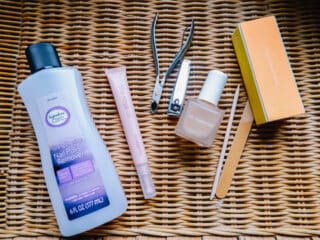
The Ultimate Nail Cleaning Routine: Your Step-by-Step Guide To Healthy, Beautiful Hands
Have you ever wondered why your nails never seem to look as clean and polished as you'd like, no matter how often you wash your hands? The secret isn't just in the polish you choose—it's in the foundational nail cleaning routine you practice every day. Many people focus solely on aesthetics, overlooking that true nail health starts with a meticulous, consistent cleaning process. A proper routine does more than enhance appearance; it's a critical defense against bacteria, fungi, and infections that can compromise both your nails and your overall well-being. This comprehensive guide will transform your approach, moving from a superficial wipe-down to a holistic nail hygiene practice that promotes strength, cleanliness, and lasting beauty.
Why Your Nail Cleaning Routine Matters: More Than Just Aesthetics
The Hidden World Under Your Nails
Your fingernails and toenails are more than just a canvas for color—they are complex structures made of keratin, the same protein in your hair and skin. The space under the nail plate, especially, is a warm, moist environment that can easily trap dirt, dead skin cells, sweat, and microorganisms. Studies have shown that nail beds can harbor significant bacterial loads, including pathogens like Staphylococcus and E. coli, particularly if nails are longer or if handwashing is inadequate. This isn't just about looking tidy; it's a primary gateway for infections that can spread to the surrounding skin (paronychia) or even enter the bloodstream in severe cases, especially for individuals with compromised immune systems.
The Health Implications of Neglect
Ignoring a proper nail cleaning routine can lead to a cascade of problems. Beyond the obvious grime, accumulated debris can cause nail discoloration, making nails appear yellow or brown. It creates a breeding ground for onychomycosis, a stubborn fungal infection that thickens and crumbles the nail. For those who frequently use their hands for work or hobbies, trapped particles can lead to painful abrasions and inflammation. Furthermore, poor nail hygiene is directly linked to ingrown toenails, as dirt and pressure from footwear push the nail edge into the skin. Establishing a consistent cleaning ritual is a non-negotiable aspect of personal health, akin to brushing your teeth.
The Psychological Boost of Well-Maintained Nails
There's an undeniable psychological component to nail care. A clean, neat nail bed provides an immediate sense of order and self-respect. When your nails are free of dirt and hangnails, you feel more put-together and confident. This simple act of self-care can be a mindful moment in a busy day, reducing stress and providing a tangible result of your attention. It bridges the gap between daily hygiene and personal grooming, reinforcing that taking care of the small details contributes significantly to your overall presentation and self-esteem.
Daily vs. Weekly Nail Care: Finding Your Balance
The Daily Quick Clean: Non-Negotiable Basics
A sustainable nail cleaning routine is built on two tiers: daily maintenance and weekly deep care. Your daily nail care should take no more than 60 seconds and focuses on prevention. This includes:
- Gentle handwashing with soap, ensuring you scrub under the nails with a soft brush or your fingertips.
- Quick drying thoroughly, as moisture is a primary culprit for bacterial and fungal growth.
- A light application of hand cream or cuticle oil, focusing on the nail base and cuticles to prevent them from becoming dry and brittle, which leads to painful hangnails.
- Using a nail file gently in one direction to smooth any rough edges that could catch and tear.
This daily habit stops problems before they start, removing surface contaminants and maintaining nail flexibility.
The Weekly Deep Dive: The Ritual That Transforms
Once or twice a week, dedicate 15-20 minutes to a deep nail cleaning routine. This is when you address the buildup that daily washing misses. This process involves:
- Soaking your nails in warm, soapy water to soften cuticles and loosen embedded dirt.
- Detailed cleaning under each nail with a soft cuticle pusher or orangewood stick.
- Precise trimming and shaping to your desired length and style.
- Intensive cuticle care and a rich moisturizing treatment.
- Polishing (optional) with a buffer for shine or applying your favorite polish as a finishing touch.
This weekly ritual is the cornerstone of nail health, allowing for thorough inspection and targeted treatment. Consistency here prevents the need for drastic interventions later.
Essential Tools for a Complete Nail Cleaning Routine
You don't need a salon's worth of equipment, but a few key tools make your nail cleaning routine efficient and effective. Investing in quality basics pays off in better results and nail health.
The Core Toolkit: What You Absolutely Need
- Nail Clippers/Trimmers: Choose a style that fits your nail shape. Curved clippers for fingernails, straight-edged for toenails. Ensure they are sharp to avoid crushing or splitting the nail.
- Nail File & Buffer: A fine-grit (180-240) emery board or glass file for shaping. A buffer with a smooth surface (not the gritty side) for adding shine to the nail plate without polish.
- Cuticle Pusher: Opt for a metal pusher (sterilizable) or a wooden/crystal one. Metal is most effective but requires gentle technique. Wooden ones are disposable and gentler.
- Soft-Bristled Nail Brush: A dedicated brush for scrubbing under nails during washing and soaking. Replace it regularly.
- Cuticle Nipper: For only trimming loose, hanging cuticles. Use with extreme caution to avoid cutting live tissue, which causes bleeding and infection risk.
- Cotton Pads/Balls & Nail Polish Remover: For cleaning the nail surface before care and removing old polish. Use acetone-free remover for daily cleaning to prevent drying.
- Cuticle Oil & Rich Hand Cream: The final, crucial step. Look for oils with jojoba, vitamin E, or almond oil.
Sanitization: The Unsung Hero of Your Routine
Tool sanitation is a critical, often overlooked part of nail hygiene. Metal tools should be soaked in rubbing alcohol (70% isopropyl) for 10 minutes after each use and air-dried on a clean towel. Disposable items like wooden sticks and cotton pads should be discarded. For home users, this simple step prevents cross-contamination and the spread of fungi or bacteria between uses and between different people in the household. Consider keeping a small bottle of disinfectant spray for your clippers and pusher for a quick wipe-down between weekly deep cleans.
Step-by-Step: Your Perfect Nail Cleaning Routine
Step 1: Preparation and Softening (The Foundation)
Begin your weekly deep clean by filling a small bowl with warm water—not hot, which can dry out skin. Add a mild liquid soap or a dedicated hand soak. Submerge your hands or feet for 5-10 minutes. This softens the cuticles and the nail plate itself, making the subsequent steps easier, less traumatic, and more effective. For an extra boost, add a teaspoon of baking soda to the water; it helps neutralize odors and gently exfoliates. Pat your nails completely dry with a clean towel. Working on slightly damp nails is ideal for cutting and pushing cuticles.
Step 2: Trimming and Shaping with Precision
Always trim your nails after soaking when they are most flexible. This prevents splitting and cracking. Use your clippers to trim straight across, avoiding rounding the corners too much, which can encourage ingrown nails. For toenails, cut straight across and leave them slightly longer than fingernails to protect the toe bed. Next, use your nail file. File in one direction only, from the outer edge toward the center, with gentle strokes. Sawing back and forth creates microscopic tears in the nail layers, leading to peeling and weakness. Shape according to your preference—square, oval, almond—but maintain a consistent shape to avoid weak points.
Step 3: The Gentle Art of Under-Nail Cleaning
This is the core of the nail cleaning routine. Using the edge of your nail file or the tip of your cuticle pusher, gently scoop out any visible debris from under the nail edge. Be meticulous but gentle; aggressive scraping can separate the nail from the nail bed. For a deeper clean, use a soft-bristled nail brush dipped in your soapy water to scrub the underside. For those with longer nails or significant buildup, an orangewood stick wrapped in a cotton ball dipped in remover can be used to gently sweep away residue. The goal is clarity—you should be able to see the pink of your nail bed clearly from the tip.
Step 4: Cuticle Care: Push, Don't Cut (Usually)
After drying, apply a generous amount of cuticle oil or cream to each nail base. Let it absorb for a minute. Using your cuticle pusher, gently push the softened cuticles back toward the base of the nail. The key word is push. Never aggressively cut or remove your cuticles. They are a vital protective seal against bacteria and infection. Only trim away any true hangnails—those loose, dead strips of skin—with your cuticle nipper, cutting them as close to the base as possible without pulling. For most people, pushing back and moisturizing is sufficient and far safer.
Step 5: Exfoliation and Surface Smoothing
With your cuticles managed, it's time for the nail plate itself. Take a cotton pad soaked in nail polish remover (even if you don't wear polish) and wipe each nail firmly from base to tip. This removes any residual oil, lotion, or fine debris, creating a clean surface. If you have ridges or unevenness, use the smoothing side of your buffer (the finest grit) to gently buff the surface in a circular motion. Do this sparingly—once a week max—as over-buffing thins the nail plate.
Step 6: The Grand Finale: Intensive Moisturizing
This step locks in all your hard work. Apply a rich, hydrating hand cream or a dedicated nail and cuticle serum to your entire hand, massaging it in. Pay special attention to the cuticle area and the sides of the nails. For an overnight treatment, apply a thicker ointment like petroleum jelly or a wax-based balm and wear cotton gloves. This intensive moisture prevents dry, cracked cuticles and keeps the nail plate flexible, reducing breaks and splits. Remember, hydrated nails are strong nails.
Common Nail Cleaning Mistakes That Are Damaging Your Nails
Mistake 1: Using Metal Tools Aggressively
Scraping vigorously under the nail with a metal tool is a fast track to creating a gap between the nail and the nail bed (onycholysis), which invites infection. Always use a gentle, sweeping motion and ensure the tool is clean and smooth. For most, a soft brush is safer and more effective for daily cleaning.
Mistake 2: Skipping the Moisturizer
Many people stop after cleaning, thinking the job is done. Moisturizing is not optional; it's the final sealant. Without it, cuticles retract and crack, nails become brittle, and the protective barrier is compromised. Make oil or cream the last step of every single routine, daily.
Mistake 3: Cutting Cuticles to the Quick
The cuticle is your nail's immune system. Cutting them off removes this vital shield, leaving the nail matrix (the growth center) exposed. This leads to chronic inflammation, infection, and can permanently damage nail growth. Push them back and hydrate; leave the trimming to a professional only if absolutely necessary for specific medical or cosmetic reasons.
Mistake 4: Sharing Nail Tools
This is a major vector for fungal and bacterial transmission. Nail fungus, in particular, is notoriously contagious. Never share clippers, files, or foot files. Even at a salon, ensure tools are opened from a sterilized package in front of you or are properly autoclaved. Your personal toolkit should stay personal.
Mistake 5: Over-Filing or Buffing the Nail Surface
While smoothing is good, excessive buffing thins the nail plate, making it weak, translucent, and prone to breaking and peeling. Limit surface buffing to once a week at most, using the finest grit, and never buff the sides or edges of the nail.
Tailoring Your Routine to Your Nail Type
For Brittle, Peeling Nails
Your focus must be on hydration and protection. Use a strengthening base coat with ingredients like keratin or calcium. File gently with a crystal or glass file, which is smoother than emery. Apply cuticle oil multiple times a day, especially after washing hands. Avoid acetone-based polish removers. Consider a weekly paraffin wax treatment for hands to deeply moisturize.
For Soft, Flexible Nails
These nails bend and tear easily. You need to build strength. Use a hardening base coat with ingredients like formaldehyde (use sparingly) or nylon fibers. Keep nails at a shorter, practical length to reduce leverage for tearing. File with a fine-grit file to create a smooth, sealed edge. Ensure your diet includes adequate biotin, protein, and iron.
For Fungal-Prone or Damaged Nails
Sanitization is paramount. After every use, soak metal tools in 70% isopropyl alcohol for 10 minutes. Use a dedicated, personal nail brush. Consider an antifungal spray or oil (with tea tree or oregano oil) for your nails and tools. Keep nails short and dry. If you suspect an active infection (thickening, discoloration, odor), see a dermatologist. Do not use polish or artificial nails over an infection, as it traps moisture and worsens the problem.
For Ingrown Toenails
Modify your toenail cleaning routine significantly. Always cut straight across with a straight-edged clipper. Do not round the corners. File any sharp edges smooth. Wear shoes with a wide toe box. After bathing, gently lift the nail edge slightly with a piece of sterile cotton to encourage it to grow away from the skin. If pain or redness occurs, seek professional medical help from a podiatrist to prevent serious infection.
Beyond Cleaning: Integrating Nail Care into Your Overall Wellness
Your nails are a window into your systemic health. A perfect nail cleaning routine can be undermined by internal factors. Nutrition plays a huge role. Ensure adequate intake of biotin (eggs, nuts, sweet potatoes), iron (spinach, red meat), zinc (pumpkin seeds, lentils), and vitamin C (citrus, bell peppers) for collagen production. Hydration is equally critical; dehydrated bodies produce brittle nails. Drink plenty of water throughout the day.
Stress manifests physically, often in brittle, ridged nails. Incorporate stress-reduction techniques like meditation or gentle exercise. Be mindful of chemical exposure. Frequent use of harsh cleaning agents without gloves can dry and damage nails. Always wear protective gloves for household chores. Finally, give your nails a break. Avoid constant use of gel polish or acrylics, which require aggressive removal and can thin the nail plate. Have "nail holidays" where you go polish-free for a week or two to let them breathe and recover.
Conclusion: The Lasting Impact of a Mindful Nail Cleaning Routine
Mastering your nail cleaning routine is a powerful act of self-care that yields dividends in health, hygiene, and confidence. It transcends the simple act of removing dirt; it's a ritual of prevention, a statement of personal pride, and a tangible way to connect with your body's well-being. By committing to the balanced approach of daily maintenance and weekly deep cleaning, using the right tools with gentle technique, and addressing your nails' specific needs, you build a foundation for nails that are not only beautiful but truly strong and healthy. Remember, consistency is your greatest ally. Start tonight with a soak, a gentle push, and a rich oil. Your future self—and your nails—will thank you for the mindful attention.