The Ultimate Nail Care Guide: Your Blueprint For Strong, Healthy, Beautiful Nails
Have you ever wondered why your nails seem to constantly split, peel, or fail to grow, no matter how often you paint them? You're not alone. Millions of people struggle with nail issues, often because they're missing the foundational knowledge in a true nail care guide. The secret isn't just in the polish; it's in understanding your nails as living parts of your body and treating them with the same daily care you give your skin. This comprehensive guide will transform your nail health from the inside out, debunk common myths, and give you salon-quality results at home.
Your nails are more than just a canvas for color; they are indicators of your overall health and require a dedicated routine. Whether you're a manicure enthusiast or someone who rarely looks at your fingertips, establishing a proper nail care regimen is essential. This guide will walk you through every step, from the science of nail growth to the perfect at-home manicure, ensuring your nails are as strong and beautiful as they can be. Let's dive in and build your personalized path to nail perfection.
Understanding Your Nails: The Foundation of Any Nail Care Guide
Before you can care for something, you must understand it. Many nail care guide mistakes stem from a fundamental misunderstanding of what nails actually are. They are not dead tissue like hair; they are complex structures made of hardened keratin, a protein, growing from the matrix under the cuticle. This living root is where nail health begins. Damage or neglect here affects everything that grows out.
The Anatomy of a Nail: More Than Just the Plate
A complete nail care guide must start with anatomy. The visible part is the nail plate. The nail bed is the skin beneath it, rich in blood vessels, which gives nails their pinkish color. The cuticle (or eponychium) is the dead tissue that overlaps the plate at the base, while the lunula is the visible, crescent-shaped part of the matrix. The free edge is the portion that extends past your fingertip. Understanding these parts helps you target care correctly—for instance, moisturizing the cuticle area supports the matrix, while filing the free edge shapes the plate.
What Your Nails Say About Your Health
Your nails can be a window into your systemic health. Brittle, spoon-shaped nails might indicate iron deficiency. Beau's lines (horizontal grooves) can result from severe illness or stress. Yellowing can be from fungal infection or, rarely, more serious conditions. While this nail care guide focuses on external care, it's crucial to consult a doctor if you notice persistent, unusual changes like discoloration, thickening, or pain, as these can signal underlying health issues requiring medical attention.
The Daily Nail Care Ritual: Building Consistent Habits
Consistency is the cornerstone of any effective nail care guide. A few minutes each day dedicated to your nails will yield dramatic long-term results. This isn't about weekly salon visits; it's about integrating simple, protective habits into your routine.
The Golden Rule: Hydration is Non-Negotiable
Just like your skin, nails need constant moisture. Dryness is the primary enemy of nail flexibility, leading to splits and breaks. The most critical area to moisturize is the cuticle and nail bed. After washing your hands or showering, apply a rich cuticle oil or a thick hand cream. Look for ingredients like jojoba oil, vitamin E, shea butter, or glycerin. For an intensive overnight treatment, massage oil into your cuticles and wear cotton gloves. This simple habit, emphasized in every professional nail care guide, prevents the cuticle from adhering to the nail plate, allowing it to grow smoothly.
Gentle Cleansing and Proper Filing Technique
Harsh soaps and acetone-based nail polish removers are major culprits in nail damage. Opt for gentle, sulfate-free hand soaps and acetone-free remover. When it comes to filing, technique is everything. Always file in one direction, from the side of the nail toward the center. Sawing back and forth creates micro-tears in the nail fibers, causing weakness and peeling. Use a fine-grit (180-240) crystal or emery board for shaping, and a slightly coarser buffer (240-320 grit) to smooth the surface. Never file wet nails; they are more prone to splitting.
Tools of the Trade: Equipping Your Nail Care Kit
Using the right tools is a hallmark of a smart nail care guide. Poor-quality or improper tools do more harm than good. Investing in a few key, high-quality items will protect your nails and make the process more efficient and enjoyable.
Essential Tools and Their Proper Use
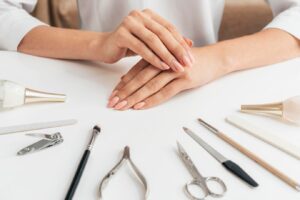
Your basic kit should include: nail clippers (for toenails; use scissors or nippers for fingernails to avoid crushing), a nail file (as mentioned above), a cuticle pusher (preferably wooden or metal with a smooth edge), cuticle nippers (use sparingly and only on loose, hanging skin), and a buffer block. Sanitize all metal tools regularly with rubbing alcohol. Never share nail tools to prevent the spread of infection. A nail brush is also vital for gently cleaning under the free edge to remove debris and prevent bacterial buildup.
The Polish Paradox: Choosing and Using Color Correctly
Nail polish itself can be protective or damaging. Base coats are non-negotiable; they prevent staining from pigments and create a smooth surface. Top coats seal the color and add a protective layer against chips and scratches. When choosing polish, opt for brands that are "5-free" or "7-free," meaning they are free from harsh chemicals like toluene, dibutyl phthalate (DBP), and formaldehyde. Give your nails a "polish holiday" for a few days each month to let them breathe and recover. This periodic break is a crucial, often overlooked, tip in any balanced nail care guide.
Nutrition for Nails: Feeding Your Nails from Within
No external nail care guide can compensate for a poor diet. Since nails are made of protein, your nutritional intake directly impacts their strength, growth rate, and appearance. If your nails are persistently weak despite good external care, your diet may need an audit.
Key Nutrients for Nail Strength and Growth
- Biotin (Vitamin B7): The most famous nail vitamin. Studies show biotin supplementation can increase nail thickness and reduce splitting in those with brittle nails. Found in eggs, almonds, sweet potatoes, and salmon.
- Protein: The building block of keratin. Ensure adequate intake from lean meats, fish, legumes, tofu, and Greek yogurt.
- Iron: Deficiency causes brittle, spoon-shaped nails. Sources include red meat, spinach, lentils, and fortified cereals.
- Zinc: Supports protein synthesis and cell growth. Deficiency can cause white spots on nails. Get it from pumpkin seeds, chickpeas, and beef.
- Omega-3 Fatty Acids: Provide essential oils that keep nails hydrated. Found in fatty fish (salmon, mackerel), flaxseeds, and walnuts.
- Vitamin C & E: Powerful antioxidants that support collagen production (important for the nail matrix) and protect against oxidative damage.
Staying well-hydrated is also paramount. Water is essential for maintaining the pliability of the nail plate. Aim for at least 8 glasses a day.
Tackling Common Nail Problems: Solutions from Your Nail Care Guide
Even with the best routine, issues arise. A robust nail care guide must address these common concerns with practical, safe solutions.
Brittleness, Peeling, and Splitting
This is the most frequent complaint. Causes include dehydration, over-exposure to water/chemicals, and nutrient deficiency. Solution: Intensify cuticle oil use (2-3 times daily), wear gloves for all wet work (dishes, cleaning), use a strengthening base coat with ingredients like calcium or hydrolyzed wheat protein, and consider a biotin supplement after consulting a doctor. File gently and keep nails at a manageable length to prevent snagging.
Hangnails and Ragged Cuticles
Hangnails are not cuticles. They are tiny pieces of torn skin. The worst thing you can do is pull or bite them. Solution: Soak fingers in warm water for 5 minutes, then gently push back cuticles with a towel-dried wooden pusher. Using sterile cuticle nippers, carefully trim only the loose, hanging skin at its base. Apply oil immediately after. The goal is to soften and moisturize, not remove the protective cuticle seal.
White Spots and Discoloration
Small white spots (leukonychia) are usually from minor trauma to the matrix—you likely banged your nail and forgot. They grow out. Yellow nails can be from staining from dark polish (use a base coat!), fungal infection, or, rarely, systemic issues. For suspected fungus, see a doctor. For staining, soak nails in diluted hydrogen peroxide (3%) for a few minutes. Persistent or spreading discoloration warrants a medical consultation, as a true nail care guide prioritizes health over aesthetics.
Seasonal Nail Care: Adapting Your Routine Year-Round
Your nail care isn't static; it must adapt to the environment. A comprehensive nail care guide includes seasonal strategies to combat different weather challenges.
Winter: The Battle Against Dryness
Cold air and indoor heating are brutally dehydrating. Strategy: Increase the frequency and richness of your cuticle oils and hand creams. Apply a thick layer before bed and wear cotton gloves. Opt for cream-based polishes over matte finishes, which can be more drying. Keep showers short and use lukewarm water. Consider a weekly paraffin wax treatment for hands (available at many spas or with at-home kits) for an intense moisture boost.
Summer: Protection from Sun and Water
Frequent swimming (chlorine and salt are very drying) and sun exposure (UV rays can weaken and yellow nails) are summer hazards. Strategy: Always apply a UV-protective top coat if in strong sun. Rinse hands with fresh water immediately after swimming and reapply moisturizer. Wear gloves for gardening or beach activities to avoid trauma and dirt buildup. This proactive adjustment is a sign of an advanced nail care guide.
The At-Home Manicure: A Step-by-Step Guide to Salon Results
Performing a proper manicure at home is an art form covered in any detailed nail care guide. Done correctly, it's relaxing and yields professional results. Rushed or incorrect technique is what causes damage.
- Prep: Remove old polish with acetone-free remover. Soak hands in warm, soapy water for 5 minutes to soften cuticles.
- Shape: Gently push back cuticles with a towel-dried wooden pusher. Trim only loose skin with sterile nippers. File nails in one direction to your desired shape (oval, square, almond).
- Buff: Lightly buff the nail surface to remove ridges and create a smooth base. Wipe with a lint-free cloth and remover to remove dust.
- Base Coat: Apply one thin layer of base coat. Let it dry completely.
- Color: Apply 1-2 thin coats of color, allowing 2-3 minutes of drying time between coats. Thin coats prevent bubbling and speed up drying.
- Top Coat: Seal with a quick-dry top coat, ensuring you cap the free edge to prevent chipping.
- Clean Up: Use a small brush dipped in remover to clean any mistakes around the cuticles.
- Moisturize: Finish with a generous application of hand cream and cuticle oil.
Debunking Nail Care Myths: What Your Nail Care Guide Won't Tell You
Separating fact from fiction is critical. A reliable nail care guide must correct widespread misinformation.
- Myth: "Cutting your cuticles is necessary for a clean look." Truth: Cuticles form a protective seal against bacteria and fungus. Cutting them creates an open wound. Push them back gently; only trim dead, hanging skin.
- Myth: "Nails need to 'breathe' between polish applications." Truth: Nails get oxygen and nutrients from the bloodstream, not the air. The real reason for breaks is to prevent staining and dehydration from constant polish and remover use.
- Myth: "Gel and acrylic nails are inherently damaging." Truth: The application and removal process is what causes damage (aggressive filing, soaking in acetone). Properly applied and gently removed enhancements can be safe. The damage comes from poor technique, not the product itself.
- Myth: "White spots mean a calcium deficiency." Truth: They almost always indicate minor trauma to the nail matrix. Calcium deficiency affects bones, not nails in this way.
When to Seek Professional Help: Beyond the At-Home Nail Care Guide
While most nail care is DIY, certain situations require a dermatologist or certified nail technician.
- Persistent Fungal Infections: Over-the-counter treatments often fail. A doctor can prescribe oral antifungals.
- Ingrown Toenails: Especially if painful, red, or infected. A podiatrist can perform a minor procedure.
- Sudden, Dramatic Changes: In color, texture, or shape without trauma.
- Pain or Swelling: Around the nail bed or matrix.
- For Complex Enhancements: If you want intricate nail art, gel extensions, or acrylics, a professional ensures proper application and minimizes damage.
Conclusion: Your lifelong Nail Care Journey
Mastering your nail care guide is an ongoing practice of observation, adaptation, and gentle consistency. It’s about listening to your body’s signals—when your nails feel dry, you moisturize; when they feel weak, you strengthen your diet and avoid polish for a while. There is no one-size-fits-all solution; the perfect routine is the one that works for your specific nails, lifestyle, and health.
Start with the fundamentals: hydrate relentlessly, file correctly, eat a balanced diet, and use quality products. Ditch the harmful myths and respect the delicate biology of your nails. By integrating these principles into your weekly self-care, you will cultivate nails that are not just beautiful on the surface, but fundamentally strong and healthy from the matrix to the free edge. Your journey to impeccable nail health begins with a single, informed step. Take it today.