Ultimate Nail Hygiene Tips: Your Complete Guide To Healthier, Stronger Nails
Have you ever looked down at your hands and wondered if your nails truly reflect your overall health? It’s a question that often goes unasked, yet the state of our nails can be a powerful indicator of our internal well-being. While we meticulously care for our skin and hair, nail hygiene tips often take a backseat, relegated to a quick trim or a swipe of polish. But what if we told you that a dedicated nail care routine is a non-negotiable pillar of personal hygiene and self-care? Neglecting your nails can lead to more than just cosmetic issues; it can pave the way for painful infections, brittle plates, and even signal underlying health conditions. This comprehensive guide will transform your approach to nail care, moving beyond basic maintenance to a holistic practice that promotes strength, beauty, and health from the cuticle to the tip.
1. The Foundation of Cleanliness: Mastering Proper Hand and Nail Washing Technique
You wash your hands countless times a day, but are you doing it in a way that truly cleanses your nails? Proper handwashing is the absolute first line of defense in nail hygiene. The spaces under your nails, the cuticles, and the surfaces themselves can harbor a staggering amount of bacteria, viruses, and fungi. Studies have shown that microbes can accumulate under fingernails in as little as a few hours, making thorough cleaning essential, especially after using the restroom, handling raw food, or touching public surfaces.
The technique matters immensely. Simply rubbing soap on your palms isn’t enough. Follow this step-by-step for a truly effective clean:
- Wet your hands with clean, running water (warm or cold).
- Apply a generous amount of soap and lather well.
- Scrub for at least 20 seconds. Don’t forget the often-missed areas: the backs of your hands, between your fingers, and under your nails. Use the tip of your nails to gently scrub the underside of the opposite thumb’s nail.
- Pay special attention to your cuticles. Gently rub the soap into the base of each nail.
- Rinse thoroughly under running water, ensuring all soap residue is washed away from under the nail folds.
- Dry completely with a clean towel. Moisture trapped under nails or in cuticle folds creates a perfect breeding ground for microbes.
For an extra layer of protection, consider using a nail brush a few times a week. A soft-bristled brush can dislodge debris and dead skin cells from under the nail plate that soap and water alone might miss. Remember, clean nails are the starting point for all other nail hygiene tips.
2. The Art of Trimming and Filing: Shaping for Strength and Health
How you trim and file your nails directly impacts their strength and susceptibility to damage. Using proper tools and techniques prevents splits, jagged edges, and infections. The goal is to create a smooth, uniform shape that is less likely to catch on fabrics or objects.
Choosing the Right Tools:
- Nail Clippers/Nippers: Use sharp, clean clippers. Dull clippers crush and tear the nail, causing micro-fractures. For toenails, which are thicker and often more curved, use a nail nipper designed for thicker nails to avoid undue pressure.
- Nail File: Opt for a fine-grit (180-240) emery board or crystal file. Avoid metal files, which are too harsh and can cause peeling. Glass or crystal files are excellent as they create a smooth seal at the nail edge, reducing snagging.
The Perfect Technique:
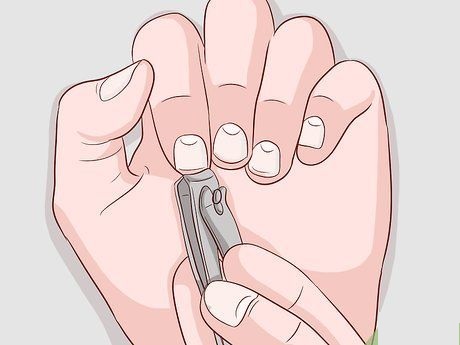
- Trim straight across. This is the most important rule. Cutting nails in a curved shape, especially on the sides, encourages the nail to grow into the skin, leading to painful ingrown toenails or fingernails.
- File in one direction only. Sawing back and forth creates friction and heat, weakening the nail fibers. Instead, use gentle strokes from the outer edge toward the center of the nail.
- Round the corners slightly. After trimming straight across, you can lightly file the sharp corners to prevent them from catching. For toenails, keep the edge relatively straight to minimize pressure on the shoe.
- Don’t cut cuticles. Your cuticles are a vital protective barrier. Cutting them removes this seal, exposing the sensitive nail matrix (the "root") to infection. Instead, push them back gently after a shower or bath when they are soft, using a wooden or silicone cuticle pusher.
3. Moisturizing is Non-Negotiable: Nourishing Your Nail Unit
Just like your skin, your nails and the surrounding skin (the nail unit) need consistent hydration. Nails are made of keratin, a protein that becomes brittle and dry without moisture. The cuticles, in particular, are prone to cracking and peeling, which compromises their protective function.
The best time to moisturize is immediately after washing your hands or taking a shower, as the skin is still damp and will absorb products more effectively.
- Choose the Right Product: Look for cuticle creams, oils, or thick hand creams containing ingredients like shea butter, jojoba oil, vitamin E, or glycerin. These provide both immediate and long-lasting hydration.
- Application Technique: Massage the product into your entire nail bed, cuticle, and the skin around your nails. Don’t just rub it on your palms. For an intensive treatment, apply a generous amount of oil (like pure jojoba or almond oil) directly to each cuticle and massage it in. You can even wear cotton gloves overnight after applying a thick cream for a deep conditioning treatment.
- Consider the Environment: If you frequently use hand sanitizer, wash dishes, or work with your hands in water, you must moisturize more frequently. Alcohol-based sanitizers are extremely drying.
4. Cuticle Care: Protecting Your Nail’s Vital Seal
The cuticle is not just dead skin; it’s a sophisticated biological seal that locks out bacteria, fungi, and debris from the vulnerable nail matrix where new nail growth originates. Aggressive cuticle removal is one of the most common mistakes in nail hygiene and a primary gateway for infections like paronychia.
The golden rule is: Never cut your cuticles. Instead, practice gentle maintenance:
- Soften: After a warm shower or bath, or after soaking your hands in warm water for 5-10 minutes, your cuticles will be soft and pliable.
- Push Back: Using a cuticle pusher (wooden, plastic, or silicone—never metal, which can slip and injury), gently push the softened cuticle back from the nail plate. Work slowly and gently. You are only repositioning the loose, dead skin, not removing live tissue.
- Trim Only Hangnails: The only thing you should ever trim is a hangnail—that annoying, torn piece of skin next to the nail. Use clean, sharp cuticle nippers to cut it as close to the base as possible without cutting into the healthy skin or the cuticle seal.
- Hydrate Immediately: Follow up with cuticle oil or cream to keep the area supple and protected.
5. Choosing Safe Nail Products: Reading Labels and Avoiding Harmful Chemicals
The products you apply to your nails—polishes, removers, hardeners—are not inert. Many contain chemicals that can dry out, weaken, or damage your nails and surrounding skin over time. Being a savvy consumer is a critical, often overlooked, nail hygiene tip.
- Nail Polish Remover:Avoid acetone-based removers for regular use. Acetone is extremely drying and can cause nails to become brittle and peel. Opt for acetone-free formulas, which are gentler, though they may require more rubbing to remove polish.
- Polishes & Hardeners: Be wary of products promising "miracle" growth or hardness. Some contain formaldehyde, toluene, and dibutyl phthalate (DBP)—often called the "toxic trio." While regulations have changed, these chemicals can still be found in some products. Look for polishes labeled "3-Free," "5-Free," or "7-Free," which means they are formulated without the most harmful common toxins.
- Give Your Nails a "Breather": It’s healthy to have polish-free periods. Try to go without polish on your toenails for at least a few days each week, and give your fingernails a break every few weeks. This allows them to air out, rehydrate, and recover from any minor staining or dehydration.
6. Protecting Nails from Daily Damage and Environmental Stressors
Your nails face constant assault from everyday activities. Proactive protection is a cornerstone of long-term nail hygiene. Understanding these stressors allows you to mitigate their effects.
- Water Exposure: Prolonged immersion in water (washing dishes, long showers, swimming) causes nails to absorb water, swell, and then contract as they dry, leading to layers separating and peeling. Wear rubber gloves for any wet work.
- Household Chemicals: Cleaning agents, solvents, and even some gardening products are harsh. Always wear protective gloves.
- Mechanical Trauma: Using your nails as tools—to open cans, scrape off stickers, or pry things—causes immediate trauma and splitting. Use a proper tool instead.
- Friction: Typing for long periods, playing stringed instruments, or certain manual jobs can cause friction damage. Keep nails filed smoothly and at a practical length for your activities.
- UV Lamps: If you use gel or shellac polish, the UV/LED lamp exposure is cumulative. Apply a broad-spectrum sunscreen to your hands 15 minutes before curing, or wear fingerless gloves with the fingertips cut off.
7. Nutrition for Nail Health: Feeding Your Nails from Within
You can apply all the creams and oils in the world, but if your diet is lacking, your nails will show it. Strong, healthy nail growth starts with a nutrient-rich diet. Nails are primarily made of keratin, a protein, so protein intake is fundamental.
- Key Nutrients:
- Protein: The building block of keratin. Include lean meats, fish, eggs, legumes, nuts, and seeds.
- Biotin (Vitamin B7): Often touted for nail growth. Found in eggs, almonds, sweet potatoes, and salmon. Some studies show biotin supplements can increase nail thickness in those with brittle nails.
- Iron: Deficiency can cause spoon-shaped nails (koilonychia) and brittleness. Sources: red meat, spinach, lentils.
- Zinc: Crucial for protein synthesis. Deficiency can cause white spots. Found in oysters, pumpkin seeds, chickpeas.
- Vitamin C & E: Antioxidants that support collagen production and protect against oxidative damage. Found in citrus fruits, berries, nuts, and seeds.
- Omega-3 Fatty Acids: Help keep nails hydrated. Found in fatty fish, flaxseeds, walnuts.
- Hydration: Drink plenty of water throughout the day. Dehydration is directly reflected in dry, brittle nails.
8. Recognizing Warning Signs: When Your Nails Are Signaling a Health Issue
Your nails are a window into your systemic health. Sudden or persistent changes in nail color, texture, or shape should never be ignored. While some changes are benign (like minor ridges from aging), others can signal nutritional deficiencies or serious medical conditions.
- White Spots (Leukonychia): Usually harmless and caused by minor trauma to the nail matrix. Not typically a sign of calcium deficiency.
- Yellow Nails: Can be due to frequent polish use, fungal infection, or, in rare cases, respiratory issues or lymphedema.
- Clubbing (Nails that curve over the fingertips): Can indicate lung disease, heart disease, or liver disease.
- Beau’s Lines (Horizontal Depressions): Deep grooves that run across the nail. They can occur after a severe illness, high fever, or chemotherapy that temporarily disrupts nail growth.
- Spoon-shaped Nails (Koilonychia): Often a sign of iron-deficiency anemia.
- Pitting (Small Dents on the Surface): A classic sign of psoriasis or alopecia areata.
- Dark Streaks (Melanonychia): A dark line running from the cuticle to the tip. While often benign, especially in darker-skinned individuals, a new, dark, or changing streak must be evaluated by a dermatologist to rule out melanoma, a deadly skin cancer that can occur under the nail.
If you notice any of these persistent changes, consult a doctor or dermatologist.
9. Safe Manicure and Pedicure Practices: At Home and in the Salon
Whether you’re DIY-ing or visiting a salon, hygiene is paramount.
At Home:
- Sanitize your tools after every use with rubbing alcohol or by boiling metal tools.
- Never share nail tools with family members. This is a major transmission route for fungi and viruses.
- Replace emery boards regularly. They are porous and harbor bacteria and fungus after a few uses.
In the Salon:
- Observe Cleanliness: Does the technician wash their hands? Do they use a new set of tools (files, buffers, orangewood sticks) for each client from a sealed package? Tools should be sterilized in an autoclave (not just a UV sanitizer) between clients.
- Foot Spas: Insist that the foot spa basin is thoroughly cleaned and disinfected with an EPA-registered hospital-grade disinfectant after each client. Many salons are legally required to do this, but compliance varies. Don’t be afraid to ask.
- Cuticle Work: Politely decline if they insist on cutting your cuticles. A reputable salon will push them back gently.
- Gel & Acrylics: Ensure proper removal. Soaking off at home or having a professional file them off (never pry) is crucial. Aggressive removal damages the natural nail plate.
10. Special Considerations: Managing Nail Problems and Conditions
Sometimes, despite our best efforts, nail issues arise. Here’s how to handle common problems:
- Fungal Infections (Onychomycosis): Thickened, discolored (yellow/brown), crumbly nails. Over-the-counter antifungal lacquers have a low success rate. See a doctor or podiatrist for prescription oral antifungals (terbinafine, itraconazole) which are more effective but require monitoring for liver side effects. Keep feet dry, change socks daily, and avoid walking barefoot in public areas.
- Bacterial Infections (Paronychia): Red, swollen, painful area around the nail, often with pus. Usually starts from a hangnail or cuticle trauma. Soak the finger/toe in warm, salted water several times a day. If severe or with pus, see a doctor for possible antibiotic treatment.
- Ingrown Nails: The nail edge grows into the skin, causing pain, redness, and infection. For mild cases, soak the foot, place a tiny piece of clean cotton or dental floss under the nail edge to lift it, and wear open-toed shoes. For recurrent or severe cases, a podiatrist can perform a minor procedure to remove part of the nail.
- Brittle Nails: Often a combination of dehydration and lack of protein/moisture. Use a nail hardener with caution—some contain formaldehyde which can make nails brittle over time. Focus on frequent moisturizing with oils and creams, and consider a biotin supplement after consulting a doctor.
Frequently Asked Questions (FAQ)
Q: How often should I trim my nails?
A: This depends on your growth rate and personal preference. Fingernails grow about 3-4 mm per month, toenails about 1-2 mm. Trim when they start to interfere with tasks or look untidy, typically every 1-2 weeks for fingers and every 4-6 weeks for toes.
Q: Is it bad to wear nail polish all the time?
A: Constant polish use can lead to nail dehydration, staining (especially with dark colors), and can mask underlying problems. It’s healthy to have polish-free periods of at least a few days to a week to allow nails to breathe and be inspected.
Q: What’s the best way to remove gel polish at home?
A: Do not pick, peel, or file it off. This will remove layers of your natural nail. Soak cotton balls in acetone, place them on each nail, and wrap with foil for 10-15 minutes. Gently push the softened gel off with a cuticle pusher. If resistance is met, re-soak. File any remaining bits gently with a coarse file.
Q: Can I use the same nail clippers for fingers and toes?
A: It’s better to use separate tools. Toenail clippers are designed for thicker, often more curved nails and have a straighter edge. Using fingernail clippers on toes can cause crushing and improper trimming, increasing the risk of ingrown toenails.
Q: My nails have ridges. Is that normal?
A: Vertical ridges (running from cuticle to tip) are very common and usually a normal part of aging, like wrinkles in your nails. Horizontal ridges (Beau’s lines) are more concerning and can indicate a past illness or systemic issue. If horizontal ridges appear on multiple nails suddenly, consult a doctor.
Q: Are nail hardeners good or bad?
A: It depends. Hardeners with formaldehyde or toluene can make nails temporarily hard but ultimately more brittle. Look for hardeners that use calcium, protein, or keratin to strengthen and nourish. For most people, consistent moisturizing is more beneficial than a hardener.
Conclusion: Making Nail Hygiene a Sustainable Habit
Incorporating these nail hygiene tips into your routine isn’t about achieving a perfect, salon-quality manicure every single day. It’s about adopting a mindset of care and prevention. Your nails are a functional part of your body, deserving of the same attention you give your skin and teeth. By mastering proper washing, trimming with care, moisturizing religiously, protecting from damage, nourishing from within, and staying vigilant for warning signs, you invest in your long-term health and comfort.
Start small. Pick one or two tips from this guide—like properly pushing back cuticles instead of cutting them, or committing to a nightly cuticle oil application—and build from there. Remember, consistency is far more powerful than occasional intensive treatments. Your future self, with stronger, healthier nails and a reduced risk of infection, will thank you. So take a moment today to look at your hands and feet with fresh eyes, and begin the journey to truly comprehensive nail care.