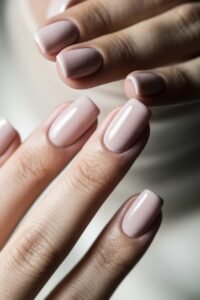
The Ultimate Guide To Nail Care Practices: From Basics To Beautiful
Have you ever looked down at your hands or feet and wondered why your nails seem perpetually weak, brittle, or prone to breaking? You’re not alone. In our fast-paced world, nail care practices often fall to the bottom of the self-care list, yet they speak volumes about our overall health and attention to detail. Whether you’re a fan of natural nails or love a salon manicure, establishing a consistent, informed routine is the secret to achieving nails that are not just beautiful, but truly strong and healthy. This comprehensive guide will transform your approach, moving beyond occasional polish changes to foundational habits that nurture your nails from the inside out.
Why Nail Care is Non-Negotiable: More Than Just Aesthetics
Before diving into the how, let’s understand the why. Your nails are windows into your systemic health. Changes in color, texture, or growth can signal nutritional deficiencies, underlying medical conditions, or the impact of daily stress and environmental factors. Prioritizing nail health is a fundamental aspect of holistic wellness. Neglecting them can lead to persistent issues like fungal infections, painful hangnails, and chronic brittleness. Conversely, a dedicated nail care routine supports nail integrity, prevents damage, and boosts confidence. Think of it as essential maintenance for one of your most visible and used body parts.
The Biology of Your Nails: A Quick Primer
To care for something effectively, you must understand it. Nails are primarily made of keratin, a tough, fibrous structural protein also found in hair and the outer layer of skin. The visible part is the nail plate, which grows from the matrix (the hidden "root" under the cuticle). The cuticle (eponychium) is a protective seal, and the nail bed is the skin beneath the plate. Healthy nails are smooth, uniformly colored, and free of pits or grooves. They grow at an average rate of about 3.5 millimeters per month for fingernails, slower for toenails. This growth is influenced by age, diet, health status, and even the season. Understanding this structure helps you avoid harmful practices, like aggressively pushing back or cutting your cuticles, which compromises this vital protective barrier.
Foundational Daily Nail Care Practices: Building Your Routine
Consistency is the cornerstone of excellent nail health. Integrating these simple, daily habits can prevent the vast majority of common nail problems.
The Golden Rule: Gentle Cleansing and Moisturizing
Just as you cleanse and moisturize your face, your nails and cuticles need the same tender loving care. Use a gentle, sulfate-free soap to wash your hands, avoiding harsh detergents and hot water, which can strip natural oils. Immediately after washing, while your skin is still slightly damp, apply a nourishing moisturizer. Pay special attention to the cuticle area and the skin around your nails. For an extra boost, invest in a dedicated cuticle oil or cream containing ingredients like jojoba oil, vitamin E, or shea butter. Massaging it in stimulates blood flow to the matrix, promoting healthier growth. Make this a non-negotiable step, especially after using hand sanitizer, which is notoriously drying.
Smart Filing and Shaping: Technique Matters
How you file your nails is surprisingly important. Always use a fine-grit (180-240) nail file—glass or crystal files are excellent as they cause less splitting. The cardinal rule: file in one direction only, using smooth, gentle strokes from the side of the nail toward the center. Sawing back and forth creates microscopic tears in the nail fibers, leading to weakness and peeling. Choose a shape that suits your lifestyle. Almond and oval shapes are less prone to snagging and breakage than square or stiletto shapes, which have weaker, more exposed corners. File when your nails are dry, as wet nails are more flexible and prone to damage.
The Cuticle Conundrum: To Cut or Not to Cut?
This is a major point of confusion. Dermatologists and nail technicians overwhelmingly advise against cutting your cuticles. The cuticle is your nail’s first line of defense against bacteria and fungus. Cutting it creates an open wound, inviting infection and causing it to grow back thicker and tougher. Instead, practice cuticle softening and pushing. After a shower or bath, or after applying cuticle oil, use a wooden or rubber cuticle pusher to gently push back the softened, dead skin. Do this with minimal pressure. The goal is to reveal the lunula (the half-moon at the base) and create a clean nail bed for polish, not to remove the live cuticle tissue.
Essential Tools and Product Choices for Optimal Nail Health
Your tools and products can either be allies or adversaries in your nail care journey. Choosing wisely makes all the difference.
Investing in Quality Tools
A basic, clean toolkit is essential. This includes:
- Nail Clippers: Use sharp, high-quality clippers sized for your nails. Dull clippers crush and split nails.
- Nail Files & Buffers: As mentioned, a fine-grit file and a smooth buffer block for final shine.
- Cuticle Pusher: Opt for wood or silicone, never metal, which can be too harsh.
- Nail Brushes: A soft-bristled brush for cleaning under the free edge.
Sanitization is critical. Clean all metal tools with rubbing alcohol after each use and replace emery boards regularly to prevent bacterial buildup.
Decoding Nail Care Products: What to Look For
The market is flooded with polishes and treatments. Here’s how to navigate it:
- Base Coats: Never skip this! A good base coat protects your natural nail from staining (from dark polishes) and provides a smooth surface. Look for formulas with calcium or protein for strengthening.
- Top Coats: Seals your color and adds shine and protection. A quick-dry top coat can be a game-changer.
- Nail Strengtheners & Treatments: These are targeted solutions. Hardening polishes (with ingredients like calcium fluoride) can help extremely soft, flexible nails but can cause brittleness if overused. Nourishing treatments with keratin, biotin, or hydrolyzed proteins are better for strengthening without excessive hardening. Hydrating treatments with oils are ideal for dry, brittle nails.
- Polish Remover:Avoid acetone for regular use. It’s extremely drying. Opt for acetone-free removers, which are gentler. When removing polish, saturate a cotton pad and hold it against the nail for a few seconds to dissolve the polish, rather than scrubbing.
Professional vs. At-Home Care: Knowing When to Seek Help
While a stellar home routine is powerful, there are times when professional intervention is necessary.
The Salon Manicure/Pedicure: Pros and Cons
A professional service can provide meticulous cuticle care, expert shaping, and a flawless finish. However, salon hygiene is paramount. Ensure the salon follows strict sanitation protocols: tools are sterilized in an autoclave (not just dipped in disinfectant), foot baths are disinfected between clients, and technicians wear gloves. A poor salon experience can lead to nail fungus, bacterial infections (like Staphylococcus), or even warts. If you have diabetes, poor circulation, or a compromised immune system, consult a doctor before getting a salon manicure/pedicure.
When to See a Dermatologist or Podiatrist
Do not ignore persistent nail changes. Schedule an appointment if you notice:
- Discoloration: Yellow, white, brown, or black streaks/spots.
- Thickening or crumbling: Often a sign of fungal infection (onychomycosis), which affects up to 14% of the general population and 50% of people over 70.
- Pitting, dents, or ridges: Can indicate psoriasis or other systemic issues.
- Pain, swelling, or redness around the nail (paronychia).
- Separation of the nail from the nail bed (onycholysis).
Early diagnosis and treatment from a specialist are crucial for resolving these issues effectively.
Addressing Common Nail Problems: Targeted Solutions
Let’s troubleshoot the most frequent complaints with science-backed nail care practices.
Brittle, Peeling, and Splitting Nails
This is often a sign of dehydration and protein loss.
- Solution: Increase hydration. Apply a rich cuticle oil or hand cream 2-3 times daily, especially after water exposure. Wear cotton-lined gloves for household chores involving water or chemicals. Use a nail strengthener with hydrolyzed keratin or biotin 2-3 times a week, but give your nails "breathing days" without any product to prevent over-hardening. Ensure your diet includes adequate protein, biotin (eggs, nuts, salmon), and iron.
Weak, Flexible Nails That Bend Easily
These nails lack sufficient protein structure.
- Solution: Incorporate a hardening treatment with calcium or silica into your routine, but limit use to 1-2 weeks at a time, followed by a nourishing, hydrating treatment. Avoid using your nails as tools (opening cans, scratching surfaces). Keep them at a manageable length to reduce leverage for bending.
Hangnails and Ragged Cuticles
These are painful and unsightly, often caused by dry, damaged skin.
- Solution:Never pull or tear hangnails. This rips live tissue and causes more damage. Using clean nail clippers, snip them off as close to the skin as possible. The key is prevention through relentless cuticle hydration. Keep a cuticle oil in your bag and apply it throughout the day. At night, apply a thick layer of cream or oil and wear cotton gloves to lock in moisture.
Nail Staining (Yellow or Discolored)
Common causes include frequent use of dark polishes, smoking, or fungal infection.
- Solution: Always use a stain-blocking base coat. Give your nails a "break" from polish for a week or two between manicures. If staining persists after a break, consult a doctor to rule out fungus. For mild surface stains, gently buffing the nail surface (very lightly) can help, but over-buffing thins the nail.
Nutrition for Nail Growth: Feeding Your Nails from Within
No topical product can compensate for a poor diet. Your nails are a direct reflection of your nutritional intake.
Key Nutrients for Strong Nails
- Biotin (Vitamin B7): The most famous nail vitamin. It’s crucial for keratin production. Found in eggs, almonds, sweet potatoes, and salmon. Supplements may help, but consult a doctor first.
- Protein: The building block of keratin. Ensure adequate intake from lean meats, fish, legumes, tofu, and Greek yogurt.
- Iron: Deficiency causes brittle, spoon-shaped nails (koilonychia). Sources include red meat, spinach, lentils.
- Zinc: Supports cell growth and repair. Found in pumpkin seeds, chickpeas, beef.
- Vitamin C & E: Powerful antioxidants that protect nails from oxidative stress and support collagen production for the nail bed.
- Omega-3 Fatty Acids: Provide essential moisture. Found in flaxseeds, walnuts, and fatty fish.
Hydration is Half the Battle
Dehydration manifests in dry, brittle nails. Aim for at least 8 glasses of water daily. Herbal teas and water-rich foods (cucumber, watermelon) also contribute.
Seasonal and Lifestyle Adjustments for Year-Round Nail Health
Your nail care practices shouldn’t be static; they need to adapt to your environment and habits.
Winter vs. Summer Nail Care
- Winter: Cold, dry air is the enemy. Amplify moisturizing. Use heavier creams and oils at night. Wear gloves outdoors to protect from cold and wind. Limit acetone-based removers.
- Summer: Increased sun exposure can dry nails and cause polish fading. Use a top coat with UV protection. Chlorine and salt water are damaging. Always apply a protective base coat before swimming and rinse nails with fresh water immediately after exiting a pool or ocean, followed by moisturizer.
For the Active and Adventurous
If you frequently use your hands for sports, gardening, or DIY projects, wear protective gloves. This shields nails from trauma, dirt, and harsh chemicals. For frequent swimmers, a pre-swim application of a light oil or barrier cream can help minimize chlorine damage.
Debunking Common Nail Care Myths
Let’s set the record straight on some pervasive misinformation.
- Myth: "You should cut your cuticles to make nails grow faster."
- Truth: Cutting cuticles does nothing for growth rate and actively harms your nail’s defense system, increasing infection risk. Growth is determined by the matrix.
- Myth: "Gel and acrylic nails are always damaging."
- Truth: The damage comes from improper application and removal. Aggressive filing, using a drill on the natural nail plate, and picking off enhancements are the culprits. A properly applied and gently removed set can be fine for some, but they do require a break period to allow nails to recover.
- Myth: "Nails need to 'breathe' between polish applications."
- Truth: Nails get their oxygen and nutrients from the bloodstream, not the air. However, giving nails a break from polish and acetone-based removers allows them to rehydrate and recover from potential staining or drying.
Creating Your Personalized Nail Care Calendar
Consistency is easier with a schedule. Here’s a sample weekly plan:
- Daily: Gentle hand washing, immediate moisturizing with hand cream + cuticle oil (morning and night).
- Every 2-3 Days: File nails in one direction if needed. Apply a nourishing treatment or strengthener (alternate days if using multiple products).
- Weekly: Soak hands in warm, soapy water for 5 minutes to soften cuticles, then gently push them back. Apply a deep conditioning treatment or a thick layer of oil/cream and wear cotton gloves overnight.
- Bi-Weekly: Give nails a full "break" from all polish and treatments. Just focus on hydration and gentle care.
- As Needed: Trim nails when they get too long. Schedule a professional manicure only if you trust the salon’s hygiene, or opt for a simple shaping and cuticle push without polish.
Conclusion: The Lasting Impact of Mindful Nail Care
Mastering effective nail care practices is a journey of patience and consistency, not a quick fix. It’s about respecting the delicate biology of your nails and integrating mindful habits into your daily life. By moving beyond superficial polish changes to embrace proper hygiene, intelligent tool use, targeted treatments, and internal nourishment, you invest in nails that are resilient, healthy, and beautiful. Remember, your nails are a testament to the care you give yourself. Start with one or two of these practices today—perhaps the simple act of applying cuticle oil every night—and build from there. In a world that often overlooks the details, paying attention to your nails is a powerful act of self-respect that yields tangible, confident results for years to come. Your strongest, healthiest nails are waiting to be nurtured.