Are Your Nail Care Essentials Actually Damaging Your Nails? The Truth Revealed
Let’s be honest: how many of us have a "nail care essentials" kit that’s just a random assortment of old polish, a single nail file, and maybe a cuticle pusher we found in a Christmas stocking? We invest in serums for our faces and creams for our bodies, but often neglect the very frames of our digits. Nail care isn't about vanity; it's a fundamental part of hand health and hygiene. Brittle, peeling, or ridged nails can be a sign of neglect, poor technique, or even underlying health issues. This guide moves beyond basic manicure tips to build a science-backed, effective routine. We’ll dismantle common myths, identify the true non-negotiables for nail health, and transform your approach from occasional pampering to daily, intelligent care. Your journey to strong, beautiful, and healthy nails starts with understanding what you truly need.
The Foundation: Daily Habits That Build Unbreakable Nails
1. Moisturize, Moisturize, Moisturize: It’s Not Just for Your Skin
The single most overlooked nail care essential is consistent hydration. Your nails are made of keratin, a protein, but they are not dead. The nail plate is porous and can absorb moisture, while the surrounding skin (cuticles and nail folds) is living tissue that absolutely requires hydration to function as a protective barrier. Dry, brittle nails are a direct result of dehydration. When nails lose moisture, they become rigid and prone to splitting and peeling. Think of a dried-out piece of wood versus one that’s oiled—which is more flexible?
- What to Use: Invest in a dedicated cuticle oil or a rich hand cream with ingredients like shea butter, jojoba oil, vitamin E, or almond oil. Cuticle oil is the gold standard because its small molecule size allows for deeper penetration into the nail plate and cuticle area.
- How & When: Apply cuticle oil at least once a day, ideally before bed. Massage a few drops into each nail bed and cuticle. For hand cream, apply after every hand wash and before bed. Don’t just rub it in; take a moment to massage it into the cuticles and the base of each nail. This simple 60-second ritual is the cornerstone of preventing nail damage.
2. Gentle, Respectful Cuticle Care: Your First Line of Defense
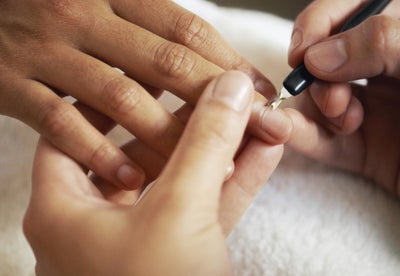
Cuticles are not the enemy to be aggressively pushed back or cut away. They are a critical seal that protects the nail matrix (the "root" where your nail grows from) from bacteria, fungus, and trauma. Aggressive cuticle removal is the fastest route to infection, permanent damage, and painful hangnails. The goal is to soften, moisturize, and gently push back only the excess, dead skin.
- The Right Technique: After a shower or bath (when skin is soft), or after applying cuticle oil and letting it sit for 5 minutes, use a soft-tipped cuticle pusher (wood or silicone, never metal with force). With light, circular motions, gently nudge the softened cuticle back only as far as it naturally goes. You are not creating a longer nail bed; you are revealing the true lunula (the half-moon at the base).
- What to Avoid: Never cut living cuticle tissue with scissors or nippers. This removes your protective barrier. If you have a hangnail, do not pull it. Use clean nail clippers to snip it off as close to the skin as possible. For persistent overgrowth, see a professional.
3. Master the Art of Filing: Direction Matters
Filing is not just for shaping; it’s a crucial tool for maintaining nail integrity. The wrong technique—sawing back and forth with a coarse file—crerafts micro-tears in the nail layers, leading to splits and layers. The correct filing technique strengthens the nail edge and prevents snagging.
- File Choice: Use a fine-grit (180-240) crystal or glass file. They are smoother and create less friction than emery boards. Avoid metal files for natural nails.
- The Technique: Always file in one direction only, from the outer edge toward the center. Use gentle, smooth strokes. Think of it like sanding a delicate piece of wood—you wouldn't scrub it back and forth. For length, file the sides first, then the tip. This "squoval" (square with rounded corners) shape is generally the strongest for most people, as it minimizes the lever effect that causes breaks on pointier shapes.
Tools & Products: Investing in the Right Equipment
4. Base Coats and Top Coats Are Non-Negotiable
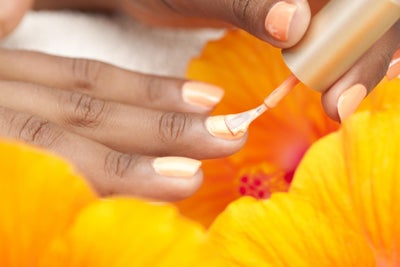
Skipping a base coat is like painting a wall without primer—the polish will stain your nails, peel faster, and offer zero protection. A base coat creates a smooth surface, prevents pigments (especially reds and dark colors) from staining the natural nail, and often contains strengthening ingredients like calcium or protein. A top coat is your manicure’s bodyguard. It seals the color, provides a high-gloss (or matte) finish, and adds a layer of protection against chips, scratches, and everyday wear.
- Pro Tips: For weak nails, look for a strengthening base coat with ingredients like nylon fibers or hydrolyzed keratin. Reapply a clear top coat every 2-3 days to extend the life of your manicure and maintain shine. A quick-dry top coat can be a game-changer for efficiency.
5. Choose Your Nail Polish Remover Wisely
Acetone is the heavy-hitter that removes polish quickly, but it’s also incredibly drying and can degrade the nail plate with frequent use. For regular at-home care, opt for an acetone-free remover. These are gentler, often enriched with moisturizers like vitamin E or aloe.
- Application Matters: Soak a cotton pad, press it onto the nail for a few seconds to let the remover break down the polish, then wipe in one smooth motion. Avoid aggressive scrubbing. For glitter or gel polish, you may need acetone and more time, but limit this to special occasions and follow up with an intensive moisturizing treatment.
6. Protect Your Nails from Harsh Chemicals and Water
Your nails are vulnerable to environmental assault. Prolonged exposure to water (swimming, dishwashing without gloves) causes nails to swell and then contract, leading to layers separating (onycholysis). Harsh cleaning chemicals, detergents, and even some hand sanitizers (with high alcohol content) are dehydrating and damaging.
- Actionable Habit:Wear gloves. It’s that simple. Use nitrile or latex gloves for any household cleaning or dishwashing. For gardening or heavy work, use sturdier gloves. This is one of the easiest, most effective nail care essentials you can adopt. When using hand sanitizer, apply a moisturizer immediately afterward to counteract the drying effects.
The Internal Connection: Nutrition for Nail Health
7. Your Diet is Your Manicurist: Key Nutrients for Strong Nails
You can apply all the oils in the world, but if your body lacks the building blocks for keratin, your nails will remain weak. Nail health is a direct reflection of your internal health. Common nail problems like brittleness, ridges, or slow growth often point to nutritional deficiencies.
- Power Nutrients:
- Protein: The primary building block of keratin. Include lean meats, eggs, fish, legumes, and nuts.
- Biotin (Vitamin B7): Famous for nail strength. Found in eggs, almonds, sweet potatoes, and salmon. Some studies show supplementation can increase nail thickness.
- Iron: Deficiency causes brittle, spoon-shaped nails (koilonychia). Sources: red meat, spinach, lentils.
- Zinc: Crucial for protein synthesis. Deficiency can cause white spots. Found in pumpkin seeds, chickpeas, and beef.
- Omega-3 Fatty Acids: Provide internal moisture. Found in fatty fish, flaxseeds, walnuts.
- Vitamin C & E: Antioxidants that support collagen production and protect against oxidative stress.
- Hydration: Drink adequate water throughout the day. Systemic hydration is vital for nail flexibility.
8. The Importance of Regular Trimming and Shaping
Even if you’re growing your nails long, regularly trimming and smoothing the edges is critical. Long nails are more prone to catching, breaking, and developing painful tears. A consistent schedule (every 1-2 weeks) keeps them at a manageable, healthy length and shape.
- Best Practice: Trim nails when they are dry, as wet nails are more flexible and can bend or tear. Use sharp, clean nail clippers or manicure scissors. After trimming, immediately file the edges to smooth any roughness. This prevents snags and reduces the chance of a painful break.
Advanced Care & When to Seek Help
9. Quality Over Quantity: Invest in Good Tools
A cheap, dull nail clipper will crush and damage the nail plate. A poor-quality file will create micro-splits. Your nail care toolkit should be treated like a chef’s knives—invest in a few good pieces. A high-quality glass file, a sharp pair of nail clippers, and a soft silicone cuticle pusher will last for years and provide a cleaner, healthier result every time. Sanitize your tools regularly with rubbing alcohol to prevent bacterial buildup.
10. Know When a Professional is Necessary
While a solid at-home routine solves most issues, certain conditions require a licensed nail technician or a dermatologist.
- See a Professional Nail Tech for: Difficult ingrown toenails (they can often treat them conservatively), persistent hangnails, or if you desire a complex gel or acrylic application that you’re not trained to do safely. A good tech will prioritize nail health over extreme length or aggressive shaping.
- See a Dermatologist for: Sudden changes in nail color (dark streaks, yellowing), thickening, pain, swelling, pus, or nails that are separating from the nail bed. These can signal fungal infections, psoriasis, or other systemic conditions. Do not attempt to self-treat suspected infections.
Conclusion: Consistency is the Ultimate Nail Care Essential
Building a comprehensive nail care essentials routine isn't about accumulating the most products; it's about cultivating consistent, intelligent habits. It starts with the internal foundation of proper nutrition and hydration, is supported by the external application of moisture and gentle techniques, and is protected by smart tool use and environmental awareness. The most luxurious cuticle oil in the world won’t help if you’re constantly exposing your nails to harsh chemicals without gloves. Conversely, perfect gloves won’t fix a biotin deficiency.
Start small. Tomorrow, apply cuticle oil before bed. Next week, buy a glass file and learn the one-direction filing technique. The following month, assess your diet for protein and healthy fats. These incremental steps create a cumulative effect, transforming your nails from a source of frustration to a symbol of your overall well-being. Remember, your nails are a window into your health. Treat them with the consistent, respectful care they deserve, and they will reward you with strength, beauty, and resilience. Your nail care essentials are not a luxury—they are a commitment to yourself.