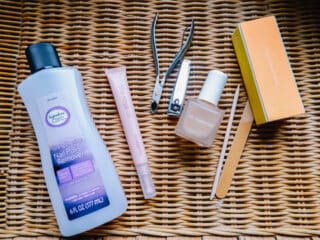
The Ultimate Basic Nail Routine: Your Step-by-Step Guide To Strong, Beautiful Nails
Have you ever looked down at your hands and wondered why your nails seem perpetually rough, brittle, or plagued by those annoying little tears at the edges? You’re not alone. In our fast-paced world, a dedicated basic nail routine often falls to the bottom of the self-care list, overshadowed by skincare and haircare. Yet, our nails are a constant canvas, visible in every handshake, text, and task. Neglecting them isn't just an aesthetic misstep; it can be a sign of underlying health issues and a source of constant frustration. This comprehensive guide will transform your approach, demystifying the process and building a sustainable, effective nail care routine that promotes strength, health, and natural beauty. Whether you’re a complete beginner or someone looking to refine their habits, this is your foundational blueprint.
Why a Consistent Nail Care Routine is Non-Negotiable
Before diving into the how, understanding the why is crucial. Our nails are made of keratin, the same protein in hair. They are porous, grow slowly, and are directly impacted by our diet, environment, and daily habits. A proper nail maintenance routine does more than just prep for polish; it strengthens the nail plate, prevents infections, improves circulation to the nail bed, and keeps the surrounding skin (cuticles) supple and protected. According to dermatologists, changes in nail texture, color, or growth can sometimes indicate systemic issues like nutritional deficiencies, thyroid problems, or lung conditions. While a basic nail routine at home isn't a substitute for medical advice, it is a powerful preventive and nurturing practice. Think of it as brushing your teeth for your hands—a daily habit that staves off bigger problems and keeps your "claws" in peak condition.
Phase One: Preparation and Polish Removal
Every successful nail care session starts with a clean slate. This phase is about removing obstacles—literally.
The Gentle Art of Removing Old Polish
The first step in any basic nail routine is to eliminate old polish. For regular polish, a standard acetone-free remover works well and is less drying. However, for gel or dip powder, you’ll need a more aggressive acetone-based remover and proper soaking techniques to avoid scraping and damaging the natural nail. Never peel or pry off gel polish; this rips away layers of the nail plate, leading to severe thinning and peeling. Soak a cotton ball in remover, place it on the nail, and wrap with foil for 10-15 minutes. The polish should slide off with a gentle push from a wooden cuticle pusher. If it resists, re-soak. Patience here protects your nail’s integrity.
The Critical Cleanse: Sanitizing Hands and Tools
This is a step many skip, but it’s fundamental for nail hygiene. Before you touch your nails or any tool, wash your hands thoroughly with soap and warm water, paying special attention to the areas under the nails. Next, disinfect your nail care tools. This includes nail clippers, files, cuticle pushers, and nippers. You can use isopropyl alcohol (70% or higher) to wipe them down or soak them for a few minutes. For a deeper clean, especially if tools have been used on someone else (like at a salon), consider a dedicated tool disinfectant. Clean tools prevent the transfer of bacteria and fungi, warding off common issues like paronychia (a painful infection around the nail) or onychomycosis (nail fungus).
Phase Two: Shaping and Smoothing
With nails bare and clean, it’s time to sculpt and refine.
Trimming vs. Filing: Knowing the Difference
Trimming is for length reduction and is best done with high-quality, sharp nail clippers or manicure scissors. The goal is to cut straight across, avoiding rounded corners which can encourage ingrown nails. Leave a tiny sliver of white (the free edge) to protect the nail bed. Filing is for shaping, smoothing ridges, and refining the edge. Always use a fine-grit (180-240) nail file, preferably a glass or crystal file, which creates a smoother edge and is less likely to cause splitting than an emery board. File in one direction only, from the outer edge toward the center. Sawing back and forth creates microscopic tears in the nail fibers, leading to weakness and peeling. This single-direction technique is a cornerstone of a healthy nail shaping routine.
Tackling Ridges and Imperfections
Many people have vertical ridges running from cuticle to tip. These are usually harmless and related to aging or genetics, but they can make nails look uneven. To smooth them, use a buffing blockvery gently after filing. Start with the coarsest side (if your block has multiple grits) only if ridges are severe, then quickly move to the finest side. The goal is a slight sheen, not a high gloss (which over-buffing can achieve and thin the nail). Limit buffing to once every few weeks. For deeper pits or horizontal ridges (Beau’s lines), which can result from illness or trauma, buffing won’t help—focus on overall nail health and hydration instead.
Phase Three: Cuticle Care – The Most Misunderstood Step
Cuticles are not the enemy; they are your nail’s protective seal. The common mistake is aggressive cutting or pushing, which creates an open wound and invites infection.
The Soften, Push, Nourish Trio
The proper cuticle care routine is a three-step process:
- Soften: After a shower or bath, cuticles are naturally soft. Alternatively, push back cuticles only after applying a cuticle softener or a dab of pure cuticle oil and massaging it in for a minute. Never work on dry, hard cuticles.
- Push Gently: Use a wooden or silicone cuticle pusher. With the flat side, gently roll the cuticle back from the nail plate. You are only removing the loose, dead skin (the "eponychium"), not cutting live tissue. The goal is to reveal the proximal nail fold and create a clean canvas, not to remove the entire cuticle.
- Nourish and Seal: Immediately after, apply a generous amount of cuticle oil or a rich balm. Ingredients like jojoba oil (which mimics skin’s natural sebum), vitamin E, and shea butter are excellent. Massage it into the nail plate and cuticle area. This step is vital for flexibility and preventing hangnails.
Phase Four: Hydration and Strengthening
This is the treatment phase where you address nail plate health directly.
The Power of Moisturizer for Nails
Nails need hydration too. After cuticle care, apply a hand cream or nail strengthener to the entire nail and surrounding skin. Look for products containing keratin, biotin, calcium, or hydrolyzed silk proteins for strength. For severely dry, brittle nails, a nail hardener can be used sparingly (2-3 times a week), but be cautious—some contain formaldehyde derivatives that can make nails too rigid and prone to snapping. A better alternative for most is a nourishing treatment oil applied daily. A 2020 study in the Journal of Cosmetic Dermatology found that consistent application of a biotin-infused nail treatment significantly improved nail thickness and reduced splitting in participants over six months.
The Role of Base Coats: More Than Just a Primer
A base coat is non-negotiable for anyone wearing polish, but it’s also beneficial for bare nails. It creates a protective barrier between the nail and pigments or environmental stressors. Strengthening base coats contain polymers and proteins that adhere to the nail, filling in ridges and providing a flexible, protective film. Adhesion-promoting base coats are specifically formulated to help color polish last longer without chipping. For a basic nail routine focused on health, a clear, strengthening base coat worn alone 2-3 times a week can provide a continuous protective layer and a nice, natural shine.
Phase Five: Polish Application (The Finishing Touch)
If you choose to wear color, application technique is everything for longevity and a professional look.
The Three-Coat Method for Flawless Color
- Base Coat: Apply one thin layer to the entire nail, sealing the free edge. Let it dry completely (1-2 minutes).
- Color: Shake the bottle well. Apply the first stroke from the base of the nail (cuticle) to the tip, leaving a tiny margin. Then, a stroke down each side. A second thin layer is usually needed for opacity. The key is thin coats. Thick coats are prone to bubbling, smudging, and take forever to dry.
- Top Coat: This is the shield. A good quick-dry top coat prevents chips and adds high gloss. Apply one thin layer, again sealing the free edge. A matte top coat offers a chic, modern finish. Reapply top coat every 2-3 days to refresh your manicure.
Clean-Up and Quick-Dry Hacks
Use a small, angled brush dipped in nail polish remover to clean any mistakes around the cuticles immediately. For faster drying, use a quick-dry spray or drops after the top coat has set for a minute. Avoid blowing on nails or using a fan with warm air, as this can introduce dust and cause bubbling. A UV/LED lamp is only necessary for curing gel polish.
Phase Six: Maintenance and Lifestyle Integration
A basic nail routine isn’t a weekly marathon; it’s daily micro-habits and weekly TLC.
Daily Habits for Nail Health
- Wear gloves for household chores, especially with harsh detergents or hot water.
- Moisturize hands and cuticles after every wash. Keep a small cuticle oil pen in your bag or by your bed.
- Use your nails as tools—never. Picking, scraping, or opening cans with them causes trauma and separation.
- File gently if you get a snag or tear immediately to prevent it from ripping further.
Weekly Rituals and When to See a Pro
Dedicate 20-30 minutes once a week to your full nail care routine outlined above. This is also the time for more intensive treatments like a paraffin wax dip for deep hydration or a nail mask. However, know when to seek a professional. If you notice persistent discoloration (yellow, white, or dark streaks), thickening, pain, swelling, or changes in nail shape, consult a dermatologist or podiatrist. These could be signs of infection, psoriasis, or other conditions requiring medical treatment.
Conclusion: Consistency is Your Secret Weapon
Building a basic nail routine is an investment in your overall well-being and a simple act of self-respect. It’s not about achieving perfection, but about fostering health and resilience. By embracing the gentle, methodical steps—from careful removal and shaping to dedicated cuticle care and hydration—you empower your nails to grow stronger and look their best naturally. Start small: commit to a weekly session and daily cuticle oil. As the habit solidifies, you’ll notice not just the visual improvement, but the satisfying feeling of care and attention in the palm of your hands. Your nails are a reflection of your health; treat them with the consistent, informed care they deserve, and they will serve you well for years to come.