Clean Nail Habits: Your Ultimate Guide To Healthier, Stronger Nails
Have you ever meticulously cared for your skin, only to look down and notice nails that are brittle, discolored, or uneven? You’re not alone. While skincare routines dominate self-care conversations, clean nail habits are the often-overlooked foundation of true hand and foot wellness. Our nails are more than just aesthetic canvases for polish; they are windows into our overall health, capable of signaling nutritional deficiencies, infections, or systemic issues. Neglecting proper nail hygiene can lead to painful conditions like paronychia (nail fold infection), fungal invasions, and persistent hangnails. This comprehensive guide will transform your approach to nail care, moving beyond occasional manicures to embed sustainable, health-first practices into your daily life. By the end, you’ll understand that achieving beautiful, strong nails isn’t about luck or expensive products—it’s about consistent, intelligent habits.
The Non-Negotiable Foundation: Daily Cleaning and Hygiene
The Critical First Step: Proper Daily Cleansing
The cornerstone of all clean nail habits is a dedicated daily cleaning routine. This goes far beyond a quick rinse under water. Throughout the day, our hands and feet come into contact with countless surfaces, accumulating dirt, bacteria, and potential pathogens beneath the nail plate and in the cuticle folds. Research suggests that undernail debris can harbor more bacteria than a toilet seat, making this a significant hygiene blind spot. Effective cleaning requires a soft nail brush and mild soap. Gently scrub the nail surface, the underside of the free edge, and the cuticle area for at least 20 seconds. For a deeper clean, especially after gardening, handling raw meat, or using public transport, soak fingertips in warm, soapy water for 5-10 minutes. This softens debris and makes subsequent steps like cuticle care safer and more effective. Remember, aggressive scrubbing with a metal tool can separate the nail from its bed, creating a gateway for infection.
Mastering the Art of Gentle, Correct Trimming
How you trim your nails is as important as how often. Improper technique is a primary cause of ingrown toenails and jagged, splitting edges. The golden rule is to trim straight across for both fingernails and toenails. Curving the corners, a common mistake for toenails, encourages the nail to grow into the surrounding skin. Use sharp, clean clippers or nail scissors. Dull tools crush and tear the nail, creating micro-fractures that lead to splits. For fingernails, file the edges in one direction only using a fine-grit glass or crystal file. Sawing back and forth creates friction and weakens the nail layers. Trim toenails slightly shorter than the fingertip, but never so short that you risk cutting the sensitive nail bed. The ideal length is just above the fingertip for fingers and level with the toe tip for toes to prevent trauma from shoes.
Cuticle Care: Nurture, Don’t Destroy
Cuticles are your nail’s protective seal, not an aesthetic nuisance. That thin layer of dead skin at the nail base forms a critical barrier against bacteria and fungi. The biggest mistake in nail care is cutting or aggressively pushing back cuticles. Dermatologists strongly advise against cutting live cuticles, as it removes this protective barrier and creates an open wound. Instead, after a shower or soak when cuticles are soft, gently push them back with a soft, wooden or silicone cuticle pusher. Apply a nourishing cuticle oil or cream—look for ingredients like jojoba oil, vitamin E, or shea butter—and massage in. This keeps them supple and prevents painful hangnails. If you have excess, dry cuticles, a weekly treatment with a cuticle softener followed by gentle pushing is sufficient. Your goal is maintenance, not elimination.
Building a Protective Routine: Moisturizing and Protection
The Moisturizing Imperative for Nail Flexibility
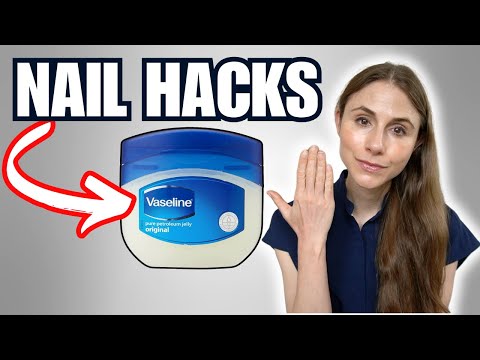
Just like your skin, nails require hydration to remain flexible and strong. Brittle, peeling nails are often a cry for moisture. The nail plate itself is made of keratin, but the surrounding skin and the nail matrix (the growth center) need hydration to produce healthy cells. Apply a dedicated nail and cuticle oil daily, massaging it into the nail plate, cuticles, and the skin around the nail. For severely dry nails, a richer hand cream applied after washing hands and before bed can make a dramatic difference. Look for creams with humectants like glycerin or hyaluronic acid, which draw moisture into the nail, and emollients like shea butter or lanolin, which seal it in. A simple hack is to dab a little petroleum jelly on your nails and cuticles at night and wear cotton gloves for an intensive overnight treatment.
Shielding Your Nails from Daily Assaults
Our hands and feet endure constant mechanical and chemical stress. Protecting your nails from these assaults is a proactive clean nail habit. Wear gloves for household chores, especially when using harsh detergents, cleaning agents, or when washing dishes. The combination of hot water and chemicals is a triple threat: it dries out nails, weakens the structure, and can cause dermatitis. For gardening or heavy work, use durable work gloves to prevent trauma and fungal exposure from soil. When using nail polish remover, opt for acetone-free formulas, which are less drying. Limit polish wear to 1-2 weeks at a time, giving your nails a “breathing break” to recover. Even with “breathable” polishes, the nail plate is not alive and does not need to breathe; the break is to allow hydration and repair from the remover’s solvents.
Breaking Harmful Patterns and Ensuring Tool Safety
The Devastating Impact of Nail Biting and Picking
Onychophagia, or nail biting, and the related habit of picking at hangnails or cuticles are more than just bad habits; they are medical concerns. Chronic nail biters have a significantly higher risk of bacterial and viral infections, including paronychia and even herpes simplex (from touching the mouth then the eye). The constant trauma to the nail matrix can cause permanent deformities, such as ridges, Beau’s lines (horizontal depressions), and arrested growth. Breaking this cycle requires a multi-pronged approach. Keep nails neatly trimmed and filed to reduce the temptation. Use a bitter-tasting nail polish formulated for this purpose. Identify triggers (stress, boredom) and replace the action with a harmless fidget tool. For severe cases, consult a doctor or behavioral therapist, as it can be a symptom of anxiety disorders.
The Invisible Danger: Unhygienic Nail Tools
Your nail care tools are an extension of your hygiene routine. Unclean clippers, files, and pushers are direct vectors for infection, capable of transferring fungi, bacteria, and even viruses like hepatitis from one nail to another or from a previous user. After every single use, disinfect your metal tools. Soak them in 70% isopropyl alcohol for 10 minutes, then let air dry on a clean towel. For porous tools like wooden cuticle sticks or emery boards, discard them after 3-5 uses. Never share personal nail tools. If you frequent a salon, ensure your technician uses sterilized, single-use tools or a hospital-grade autoclave for metal instruments. Don’t hesitate to ask about their sanitation protocol; a reputable salon will be transparent.
Smart Choices: Products, Diet, and Professional Care
Decoding Nail Product Labels for True Health
The nail care industry is flooded with products promising strength and growth, but many contain harsh chemicals that do more harm than good. When selecting polish, opt for “3-free,” “5-free,” or “7-free” formulas, which omit the most toxic culprits like toluene, dibutyl phthalate (DBP), and formaldehyde. For removers, choose acetone-free versions with nourishing oils. Be wary of “hardening” polishes with high concentrations of formaldehyde resin, which can make nails incredibly brittle. For moisturizers and oils, simplicity is key. A pure plant-based oil (jojoba, almond, coconut) is often more effective than complex creams with long ingredient lists. Remember, your nails are permeable; what you put on them can be absorbed.
The Inside-Out Connection: Nutrition for Nail Vitality
No topical product can compensate for a poor diet. Nails are primarily made of keratin, a protein, so adequate protein intake is fundamental. Incorporate lean meats, eggs, legumes, and nuts. Key vitamins and minerals include:
- Biotin (Vitamin B7): Found in eggs, almonds, sweet potatoes. Supports keratin production.
- Iron: Deficiency causes brittle, spoon-shaped nails. Sources: red meat, spinach, lentils.
- Zinc: Crucial for cell growth and repair. Found in pumpkin seeds, chickpeas.
- Calcium & Vitamin D: For nail strength and matrix health.
- Omega-3 Fatty Acids: From fish, flaxseeds, and walnuts, they nourish the nail bed and reduce inflammation.
Hydration is also critical; dehydrated bodies produce dry, brittle nails. Aim for 8 glasses of water daily.
Knowing When to Seek Professional Help
While many nail issues stem from poor habits, some are signs of underlying health conditions that require medical attention. Schedule a visit with a dermatologist or podiatrist if you notice:
- Persistent yellowing, thickening, or crumbling (possible fungal infection).
- Dark streaks or spots (could indicate melanoma under the nail).
- Pitting, ridges, or clubbing (changes in shape).
- Sudden discoloration or pain without trauma.
- Signs of infection: significant redness, swelling, pus, or warmth.
A yearly professional pedicure with a licensed, sanitation-conscious technician can also be part of a healthy routine, providing expert trimming and callus care that’s hard to do yourself, especially for toenails.
Conclusion: Weaving Clean Nail Habits into Your Lifestyle
Developing and maintaining impeccable clean nail habits is not a one-time project but a lifelong commitment to your well-being. It’s the daily ritual of gentle cleaning, the weekly moment of mindful trimming and cuticle care, and the conscious choices to protect and nourish. These practices create a powerful feedback loop: healthy nails are less prone to damage and infection, reducing the need for corrective measures and allowing your natural beauty to shine through. Start small—pick one habit from this guide, like applying cuticle oil every night, and master it before adding another. In a world of fleeting beauty trends, investing in the fundamental health of your nails is a timeless act of self-care that pays dividends in comfort, confidence, and a clear window into your overall health. Your healthiest, most resilient nails are waiting on the other side of consistent, clean habits.

![Clear Nails Max Review [ 67% Off ] Ultimate Solution for Stronger](https://f4.bcbits.com/img/a3771703109_5.jpg)

